الإمارات واحدة من أكثر الاقتصادات ارتباطًا بالعالم. الاستثمار الصيني في المنطقة نما نموًا ملحوظًا على مدار العقد الماضي، والمهنيون الناطقون بالماندرين في طلب متواصل في قطاعات المال والتجارة والضيافة والعقارات.
بالنسبة للمغتربين المقيمين في دبي أو أبوظبي، تعلم الماندرين أونلاين ليس مجرد طموح شخصي، بل هو بالنسبة لكثيرين رافعة مهنية حقيقية.
لكن قبل أن تُحمّل تطبيقًا وتفترض أنك ستكون قادرًا على المحادثة خلال ستة أشهر، ثمة أشياء ينبغي أن تعرفها. الماندرين واحدة من أكثر اللغات تطلبًا للجهد بالنسبة للناطقين باللغات الأوروبية أو العربية.
الطريق أطول مما يتوقعه معظم الناس، والاستراتيجيات الناجعة تبدو مختلفة عمّا ينجح مع الإسبانية مثلًا. هذا الدليل يُعطيك النسخة الصادقة.
العلاقة الاقتصادية بين الإمارات والصين تتوسع باطّراد، والتجارة الثنائية والاستثمار في البنية التحتية يخلقان طلبًا متواصلًا على المهنيين ثنائيي اللغة في قطاعات متعددة.
المواطنون الصينيون يُمثّلون أحد أسرع قطاعات السياح ورجال الأعمال نموًا في دبي. الفنادق ووكالات العقارات وشركات إدارة الثروات والشركات اللوجستية تُقدّر بشكل متزايد الموظفين القادرين على التواصل مباشرة بالماندرين بدلًا من اللجوء إلى وسطاء.
بالنسبة للمغتربين، هذا يخلق فرصة غير مألوفة. في سوق عمل تنافسي يتشارك فيه كثير من المرشحين مؤهلات تقنية متشابهة، تُشكّل الكفاءة في الماندرين عاملًا تمييزيًا ذا مغزى، لا سيما أن عددًا قليلًا جدًا من المهنيين غير الصينيين قد استثمروا في اكتسابها.
صعوبة اللغة هي، بشكل مفارق، جزء مما يجعلها ذات قيمة. معظم الناس لا يكلّفون أنفسهم العناء. إذا فعلت ذلك، فسيُلاحَظ.
أي دليل جاد يجب أن يعالج هذا بصراحة. الماندرين مُصنَّفة من قِبل معهد الخارجية الأمريكية ضمن الفئة الخامسة، وهي أعلى مستوى صعوبة للناطقين بالإنجليزية، وتستلزم ما يقارب 2,200 ساعة للوصول إلى الكفاءة المهنية. هذا ثلاثة إلى أربعة أضعاف ما تحتاجه الإسبانية أو الفرنسية.
الماندرين لغة نبرية بأربع نبرات متمايزة وإضافة نبرة محايدة maمثلًا يحمل معانٍ مختلفة تمامًا
النبرة الثالثة mā تعني الأم. النبرة الثانية má بحسب النبرة المُطبَّقة mǎ تعني التوبيخ. النبرة الأولى mà النبرة لا يُنتج لكنة طفيفة، بل ينتج كلمة مختلفة. هذا يستلزم فترة من الاستماع المتعمد والمركّز قبل أي شيء آخر.
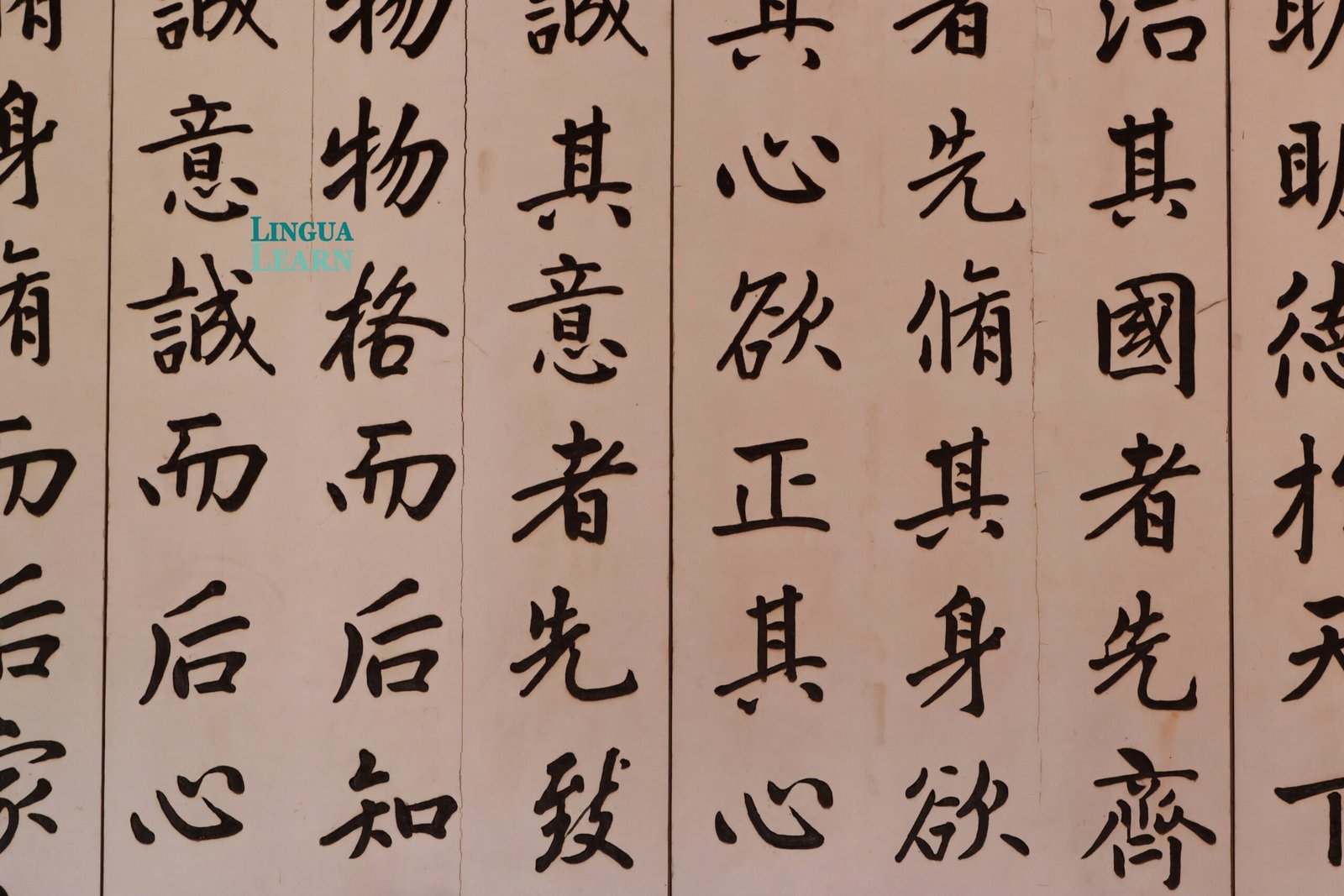
نظام الكتابة الصيني لا يستخدم أبجدية. بدلًا من ذلك، يستخدم آلاف الرموز اللغوية، كل منها يمثّل مقطعًا ومعنى.
الوصول إلى الأمية الأساسية يستلزم التعرف على ما بين 2,000 و3,000 رمز. لا توجد طريقة مختصرة لذلك، بل يتطلب تكرارًا يوميًا متواصلًا على مدى أشهر وسنوات.
للماندرين نظام نسخ صوتي يُسمّى البينيين (Pinyin) يستخدم الحروف اللاتينية لتمثيل الأصوات. ينبغي للمبتدئين استخدام البينيين كجسر لفهم النطق، لكنه لا يُعوّض عن تعلم الرموز.
المتعلمون الذين يعتمدون على البينيين طويلًا كثيرًا ما يصلون إلى نقطة ركود: يمكنهم التحدث بمستوى أساسي لكنهم لا يستطيعون القراءة أو الكتابة، مما يُقيّد الاستخدام العملي بشكل ملحوظ.
لا يُقصد بشيء من هذا إحباطك. بل الهدف معايرة التوقعات، لأن المتعلمين الذين يفهمون ما يُقدمون عليه أكثر احتمالًا للمثابرة من أولئك الذين يصطدمون بأول عقبة ويشعرون بأنهم مُضلَّلون.
للمغتربين في الإمارات التعلم الإلكتروني للماندرين يمتلك ميزة بنيوية كثيرًا ما تفتقر إليها الدراسة في الصف: الانتظام بشروطك أنت.
جداول المغتربين في دبي وأبوظبي تميل إلى عدم الانتظام. ساعات العمل الطويلة والسفر المتكرر وتحوّلات جدول رمضان والوتيرة العامة للحياة في مركز تجاري سريع الحركة تجعل الحضور الأسبوعي المنتظم في صف دراسي أمرًا عسيرًا.
التعلم الإلكتروني يُزيل قيود الموقع والجدول كليًا. جلسة 45 دقيقة قبل العمل، وجلسة استماع خلال التنقل، و20 دقيقة لمراجعة الرموز وقت الغداء، هذه الممارسات الصغيرة المتواصلة تتراكم بطرق لا يستطيع الحضور غير المنتظم في الصف تحقيقها.
الماندرين بالتحديد تُكافئ هذا النوع من التواصل اليومي. الأبحاث في اكتساب اللغات تتفق على نقطة واحدة: الممارسة الموزّعة عبر جلسات قصيرة متعددة تتفوق على نفس إجمالي الساعات مكثّفة في جلسات أقل وأطول.
للنبرات بالتحديد، التعرض القصير المتكرر، أي سماع الماندرين منطوقة بشكل صحيح كل يوم، يُعيد برمجة الذاكرة السمعية بطرق لا تستطيع الصفوف الأسبوعية ببساطة تحقيقها.
التعلم الإلكتروني يمنحك أيضًا إمكانية الوصول إلى المدرّسين الناطقين بالماندرين وشركاء المحادثة بصرف النظر عن مكانك الجغرافي. المدرّس في بكين في متناول يدك بقدر ما هو المدرّس في دبي، وهذا مهم لأن مدرّسي الماندرين في الإمارات، رغم وجودهم، ليسوا بوفرة مدرّسي العربية أو اللغات الأوروبية.
اقرأ أيضًا: الدورات اللغوية الإلكترونية مقابل تطبيقات اللغة: ما الأفضل في الإمارات؟
المرجع هنا يأتي من متعلمين وصلوا فعلًا إلى مستوى الإتقان، لا من مواد تسويقية للتطبيقات. ما يشتركون فيه هو بنية قائمة على ثلاثة أنواع من الممارسة: المدخلات وعمل الرموز ومخرجات الكلام.
في الشهر الأول أو الشهرين الأولين، الأولوية هي تعويد أذنيك على نظام الأصوات والأنماط النبرية في الماندرين. استخدم المحتوى الصوتي والحوارات للمبتدئين والتسجيلات المدعومة بالبينيين وتمارين الاستماع المتدرجة، واستمع بشكل متكرر.
اللغة ستبدو في البداية كضجيج سريع وغير مفهوم. هذا طبيعي. كل تكرار يبني ذاكرة سمعية، ويأتي الاستيعاب تدريجيًا لا فجأة.
كثير من متعلمي الماندرين ذوي الخبرة يوصون بمواد متوسطة المستوى مع تكرار كثير على المواد المُبسَّطة اصطناعيًا. السبب هو أن المحتوى المُبسَّط جدًا لا يُعدّ أذنك لإيقاع السرعة الفعلي للكلام الطبيعي.
هذا هو الجزء الذي يتمرد عليه معظم المتعلمين ويندمون لاحقًا على عدم البدء به مبكرًا. ابدأ بعشرة رموز يوميًا وابنِ نحو ثلاثين مع تسارع التعرف. استخدم برامج التكرار المتباعد؛ Anki مجاني وشائع الاستخدام، لجدولة المراجعات ومنع النسيان الذي يجعل تعلم الرموز يبدو كملء دلو مثقوب. الانتظام أهم بكثير من مدة الجلسة. عشرون دقيقة يوميًا تساوي أكثر من ساعتين في عطلة نهاية الأسبوع.
بمجرد امتلاكك مفردات أساسية، أسرع طريقة للتسارع هي القراءة الواسعة في موضوعات تُثير اهتمامك. إذا كنت تعمل في العقارات، اقرأ محتوى صينيًا عن أسواق العقارات. إذا كانت أعمالك متصلة بالتجارة، فالأخبار المالية الصينية تخدم تطوير اللغة والمهنة في آنٍ واحد. يتضاعف التعلم حين يكون ذا صلة، لأن الدافعية تبقى عالية والمفردات قابلة للتطبيق فورًا.
الكلام المبكر قبل أن تمتلك أي فهم للنبرات يميل إلى ترسيخ عادات سيئة يصعب تصحيحها لاحقًا. بضعة أسابيع من الاستماع المركّز قبل محاولة إنتاج الكلام تسلسل أفضل. حين تبدأ الكلام، مدرّب يُقدّم تغذية راجعة فورية أكثر فائدة من شريك محادثة غير مُجهّز لتصحيح أخطاء النطق. للمغتربين في الإمارات، منصات التدريس الإلكتروني تُتيح لك إمكانية الوصول إلى الناطقين الأصليين عبر جميع المناطق الزمنية.
ثمة نقاط احتكاك يواجهها المغتربون في المنطقة تحديدًا.
نسبة كبيرة من المقيمين في الإمارات تواجه منحنى تعلم مزدوجًا مع الماندرين. العربية ذاتها لغة معقدة بخط غير لاتيني، مما يعني أن تحدي تعلم الرموز في الماندرين مألوف من ناحية (أنظمة غير أبجدية ليست جديدة)، لكن الرموز الفعلية مختلفة تمامًا. المكوّن النبري لا مثيل له في العربية، وهذا يميل إلى كونه أكبر تكيّف مطلوب.
لديهم موارد أكثر إتاحة، فمعظم محتوى تعلم الماندرين عالي الجودة مُنتَج مع وضع الناطقين بالإنجليزية في الاعتبار، لكن لا ينبغي عليهم توقع نفس مستوى تداخل المفردات الذي يحصلون عليه من اللغات الأوروبية. الإنجليزية والماندرين لا تشتركان تقريبًا في أي كلمات مشتركة. كل كلمة جديدة.
هذه نقطة تُقلّل من شأنها الكثيرون. الإمارات تقع في منطقة زمنية مواتية لجدولة جلسات مع مدرّسين في الصين. جلسة الساعة السابعة صباحًا بتوقيت الإمارات هي منتصف الضحى في بكين، وهي ساعات عمل مثالية للمدرّس. للمغتربين الذين يسافرون إلى شرق آسيا لأغراض تجارية، هذا التوافق يجعل التعلم عمليًا فوريًا لا افتراضيًا.
الوصول إلى محادثة أساسية بالماندرين، بما يكفي للتعامل مع التعريفات التجارية والاجتماعات البسيطة والحديث المهني الخفيف، يستلزم ما بين 400 و600 ساعة من الدراسة الجادة لمعظم المتعلمين الناطقين بالإنجليزية. بمعدل 45 دقيقة يوميًا، هذا ما بين 18 و24 شهرًا. بمعدل ساعة يوميًا، قرابة 14 إلى 18 شهرًا.
الوصول إلى الطلاقة المهنية الحقيقية، المستوى الذي تستطيع فيه التفاوض والتقديم والتعامل مع محادثات معقدة، يستغرق وقتًا أطول بكثير. معظم الروايات الصادقة تضعه في ثلاث إلى خمس سنوات من الجهد المتواصل.
هل أنت مستعد لتعلم الماندرين مع Lingua Learn الإمارات؟

 AR
AR  EN
EN