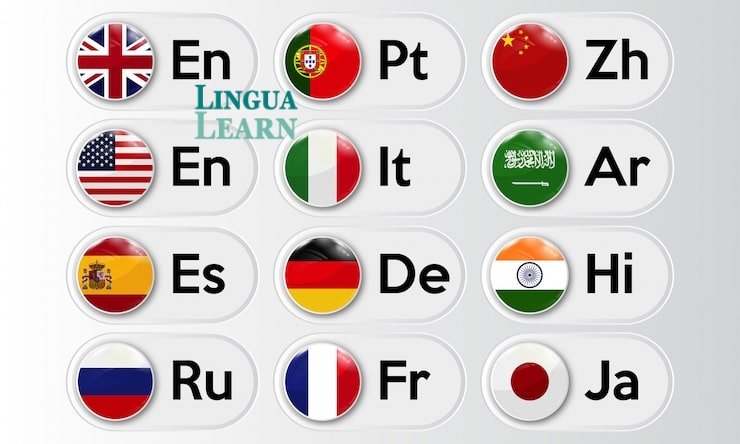
إذا تساءلت يومًا لماذا استطاع زميلك أن يُتقن الإسبانية في عام واحد بينما لا يزال شخص آخر يكافح مع الماندرين بعد ثلاث سنوات، فالجواب ليس الموهبة. بل هو المسافة اللغوية، أي مدى بُعد اللغة عن الإنجليزية من حيث القواعد والمفردات ونظام الكتابة والأصوات.
معهد الخارجية الأمريكية (FSI) المعني بتدريب الدبلوماسيين الأمريكيين على اللغات الأجنبية، يتتبع منذ عقود مدى الوقت الذي يحتاجه الناطقون بالإنجليزية للوصول إلى الكفاءة المهنية في لغات مختلفة. بياناتهم هي المعيار الأوضح المتاح، والفجوة بين أسهل اللغات وأصعبها في قائمتهم واسعة جدًا.
قبل التصنيف، من المفيد فهم مصادر الصعوبة الفعلية. ثمة ثلاثة عوامل رئيسية:
اللغات التي تستخدم خطًا مختلفًا تُضيف طبقة من الجهد لا تتطلبها اللغات ذات الخط اللاتيني. العربية واليابانية والكورية والصينية جميعها أنظمة كتابة تحتاج إلى أشهر لاكتساب القدرة على القراءة الأساسية فيها قبل أن تتمكن من قراءة نص بسيط.
كلما ابتعد نحو اللغة عن الإنجليزية، كلما احتاج دماغك إلى إعادة برمجة أكبر. اللغات ذات الحالات الإعرابية المتعددة، والمقالات المُجنّسة، وأنظمة الأفعال المعقدة، وتراكيب الجمل التي تعكس ترتيب الكلمات كليًا، تتطلب جميعها تكيّفًا أكثر نشاطًا.
بعض اللغات تستخدم النبرة لتغيير معنى الكلمة كليًا. في الماندرين، المقطع ذاته المنطوق بأربع نبرات مختلفة يُعطي أربعة معانٍ مختلفة تمامًا. هذا يستلزم إعادة تدريب مكثّفة للأذن والصوت بالنسبة للناطقين بالإنجليزية.
العربية تحتل قمة الفئة الأصعب في تصنيف معهد الخارجية الأمريكية، بتقدير يبلغ نحو 2,200 ساعة للوصول إلى الكفاءة. الخط يسير من اليمين إلى اليسار، ومعظم حروف العلة غير مكتوبة، والنظام النحوي مبني على بنية الجذر والنمط التي تبدو غريبة حقًا على الناطقين بالإنجليزية.
علاوةً على ذلك، تختلف الفصحى الحديثة (النسخة الرسمية المكتوبة) اختلافًا جوهريًا عن اللهجات المحكية المستخدمة في الحياة اليومية، مما يجعل المتعلمين يجدون أنفسهم في الغالب يتنقلون بين نسختين في آنٍ واحد.
اليابانية تستخدم ثلاثة أنظمة كتابة منفصلة، أحيانًا في جملة واحدة. الهيراغانا والكاتاكانا مقطعان صوتيان يتكون كل منهما من 46 رمزًا، فيما يستعير الكانجي آلاف الرموز الصينية.
من ناحية النحو، تأتي الأفعال في نهاية الجملة، وللغة مستويات متعددة من الرسمية تُغيّر المفردات والبنية بحسب من تتحدث إليه.
للكورية أبجديتها الخاصة، الهانغول، وهي في الحقيقة من أكثر أنظمة الكتابة منطقية في العالم ويمكن تعلّمها في أيام قليلة. لكن التحدي يكمن في النحو.
تتبع الجمل ترتيب الفاعل - المفعول به - الفعل (عكس الإنجليزية)، تأتي الأفعال في الآخر، ومستويات التهذيب تتطلب أشكالًا مختلفة من الكلام بحسب طبيعة العلاقة بين المتحدثين.
تُذكر الماندرين باستمرار بوصفها أصعب اللغات تعلّمًا للناطقين بالإنجليزية. لا أبجدية فيها؛ بدلًا من ذلك، يستخدم نظام الكتابة آلاف الرموز المتميزة، كل منها يمثّل كلمة أو مفهومًا. الماندرين المنطوقة تستخدم أربع نبرات، مما يعني أن المقطع الواحد يمكن أن يحمل أربعة معانٍ مختلفة تمامًا.
رغم كل هذا، الماندرين هي الأكثر تحدثًا في العالم من حيث عدد الناطقين بها كلغة أم، مما يجعل الجهد المبذول مُجزيًا جدًا للمتعلم المناسب.
الصعوبة أمر نسبي. الناطق بالعربية سيجد الفارسية أسهل بكثير مما يجدها الناطق بالإنجليزية. الناطق بالكورية يتعلم اليابانية بسرعة بسبب التشابه البنيوي.
تصنيفات معهد الخارجية الأمريكية مبنية تحديدًا على الإنجليزية كنقطة انطلاق، لذا تلعب خلفيتك اللغوية الشخصية دورًا في تجربتك.
تجدر الإشارة أيضًاإلى أن عددًا من اللغات في المشهد الإماراتي للمغتربين تقع في المنطقة الوسطى. العربية تمثّل تحديًا حقيقيًا للناطقين بالإنجليزية، لكن حتى المستوى الوظيفي للمبتدئين يفتح أبوابًا يُقلّل معظم المغتربين من شأنها.
دوراتنا العربية مُصمَّمة للمتعلمين البالغين الذين اختبار التقييم يبدأون من الصفر، مع تدرّج منظّم يجعل الصعوبة قابلة للإدارة. وإذا كنت تفكر في لغات أخرى، فإن مجموعة والألمانية إلى الماندرين وما هو أبعد. تنا الكاملة تشمل كل شيء من الفرنسية

 AR
AR  EN
EN